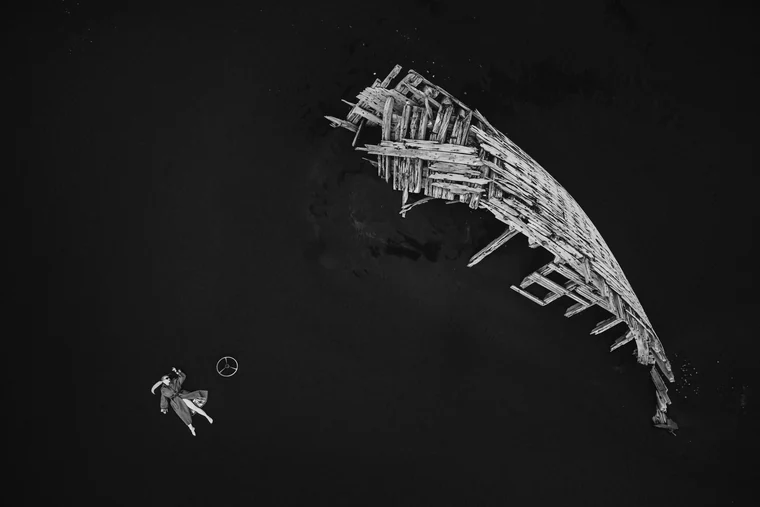
Work 00 · Iceland, 2026
The Map of Remains
87 × 57 cm · Edition of 15 + 2 AP
0 of 15 numbered prints available · Sponsor edition
Iceland · 2026 · Fourteen photographs
The Engineress is a cycle of fourteen photographs that creates its own mythology of how a world comes into being. At its centre is a woman creator, moving between primordial nature and structures left behind by people. She works with what she finds: water, volcanic earth, wreckage, tools and her own body.
Made in Iceland, the photographs bring echoes of ancient myths into contact with the remnants of the contemporary world. Creation is inseparable from physical work, chance and responsibility for what takes on a life of its own. The cycle leaves room for more than one reading, inviting viewers to recognise a story of their own.
Explore the fourteen works ↓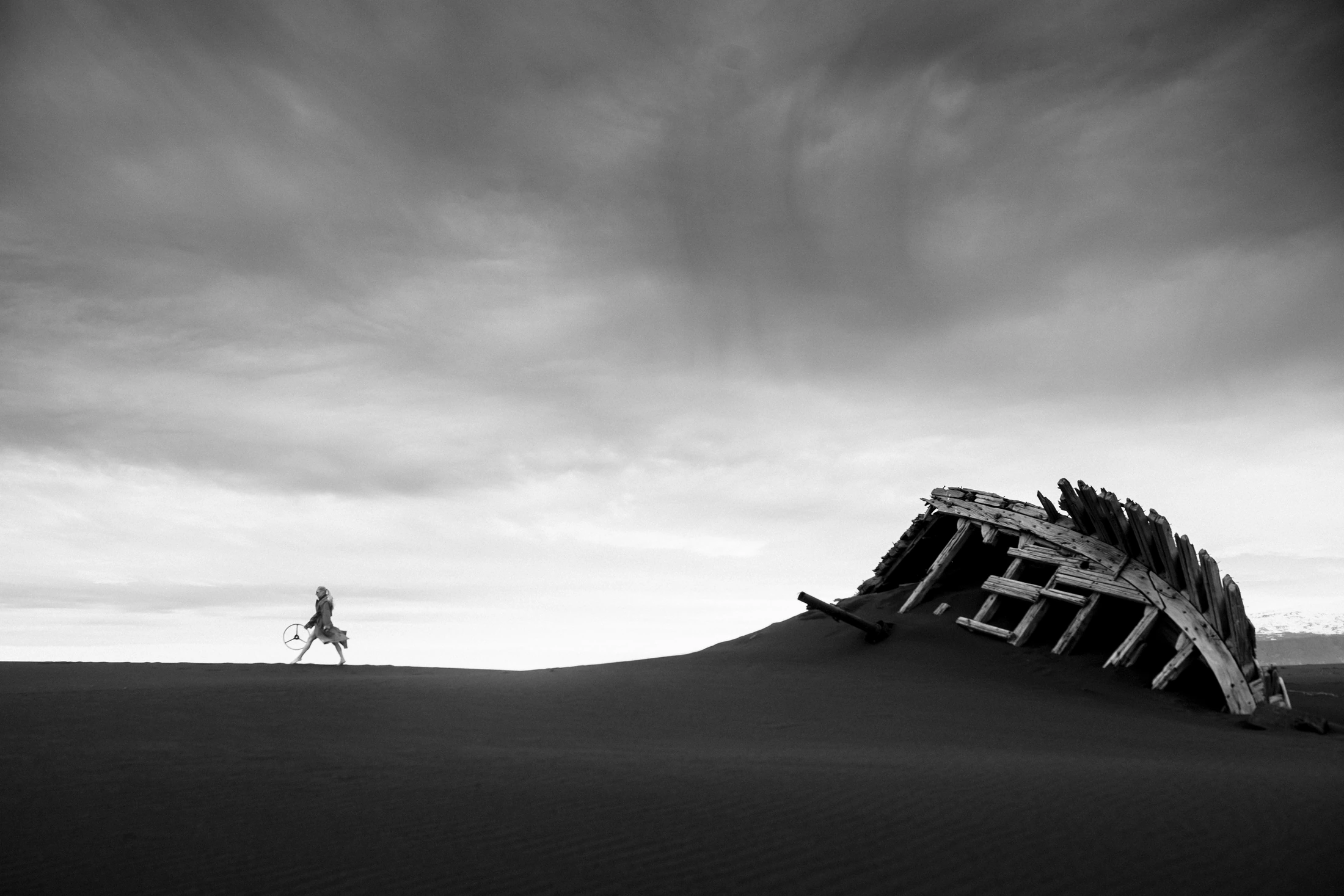
The sequence / 00–13
From the remains, through the conditions of existence, to the work of sustaining what has been made.
Work 00 · Iceland, 2026
87 × 57 cm · Edition of 15 + 2 AP
0 of 15 numbered prints available · Sponsor edition
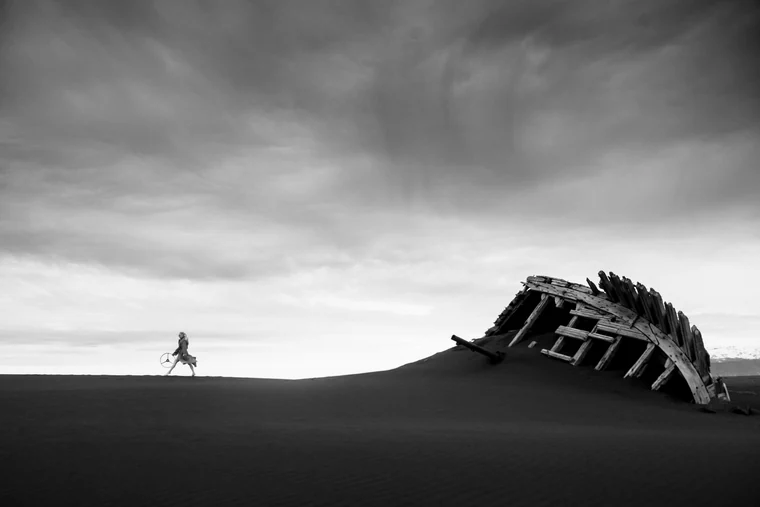
Work 01 · Iceland, 2026
137 × 100 cm framed · Edition of 10 + 2 AP
9 of 10 numbered prints available
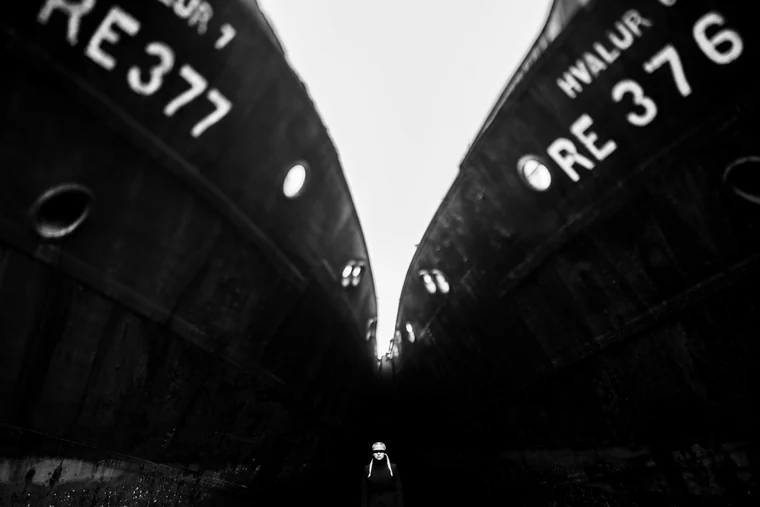
Work 02 · Iceland, 2026
137 × 100 cm framed · Edition of 10 + 2 AP
9 of 10 numbered prints available
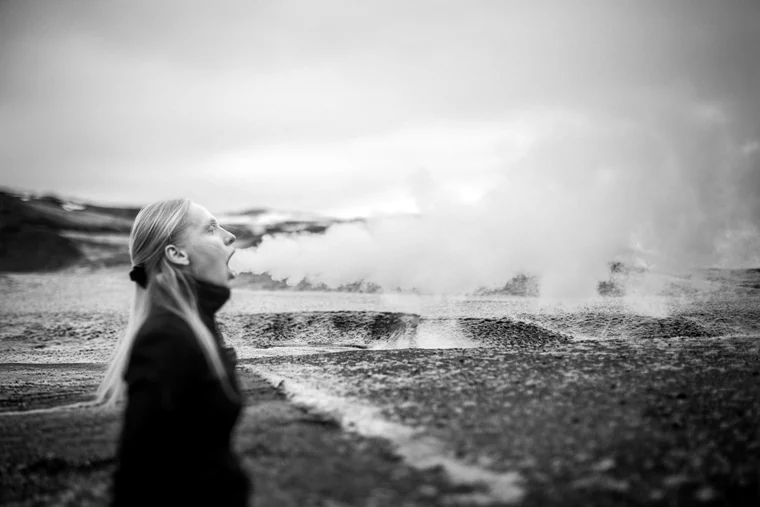
Work 03 · Iceland, 2026
137 × 100 cm framed · Edition of 10 + 2 AP
9 of 10 numbered prints available
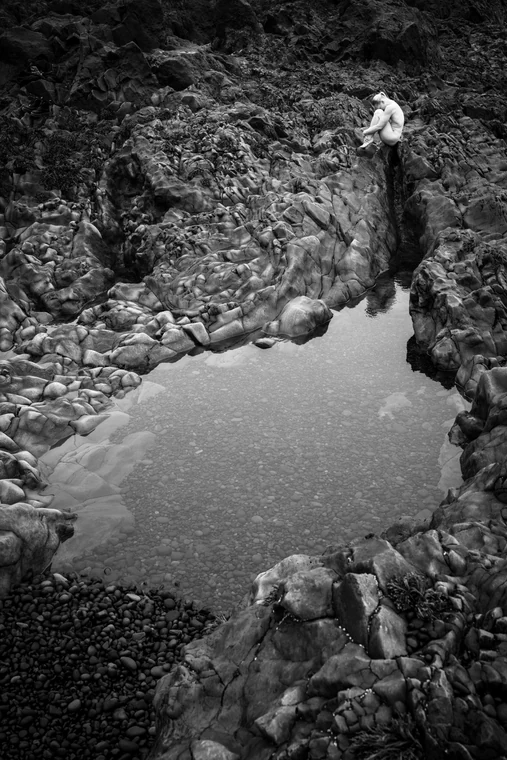
Work 04 · Iceland, 2026
137 × 100 cm framed · Edition of 10 + 2 AP
9 of 10 numbered prints available
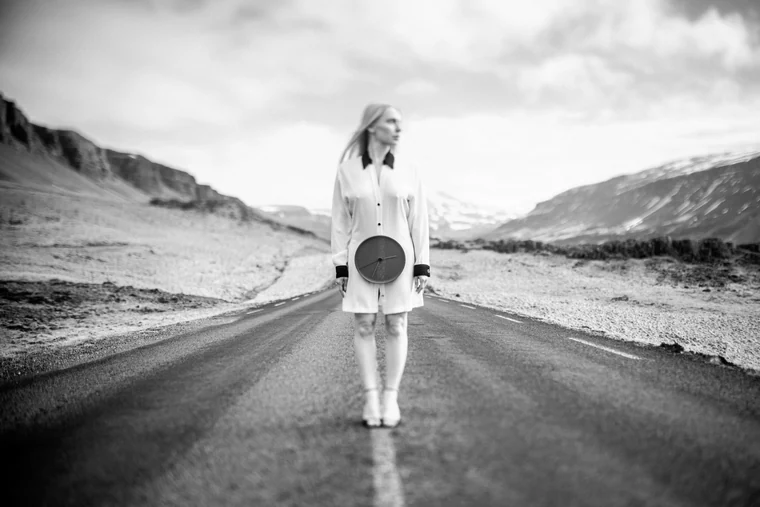
Work 05 · Iceland, 2026
137 × 100 cm framed · Edition of 10 + 2 AP
9 of 10 numbered prints available
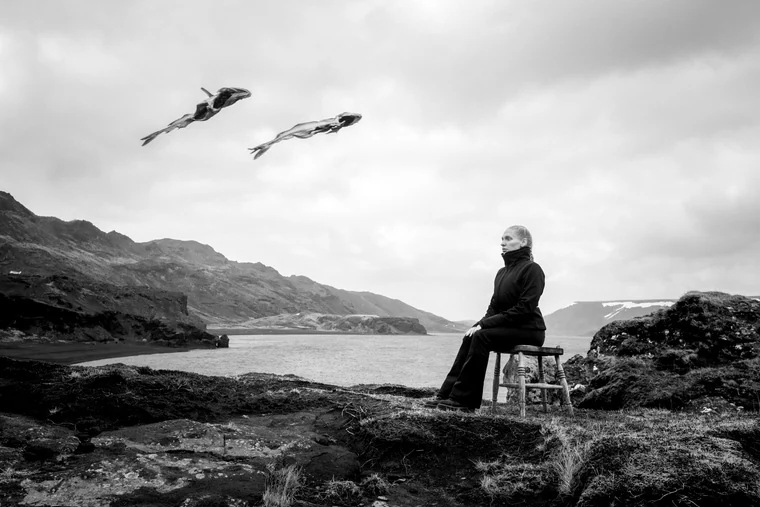
Work 06 · Iceland, 2026
137 × 100 cm framed · Edition of 10 + 2 AP
9 of 10 numbered prints available
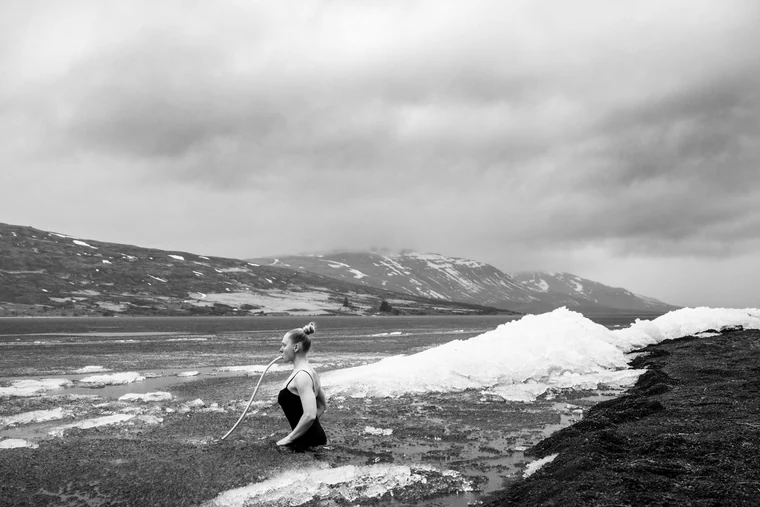
Work 07 · Iceland, 2026
137 × 100 cm framed · Edition of 10 + 2 AP
9 of 10 numbered prints available
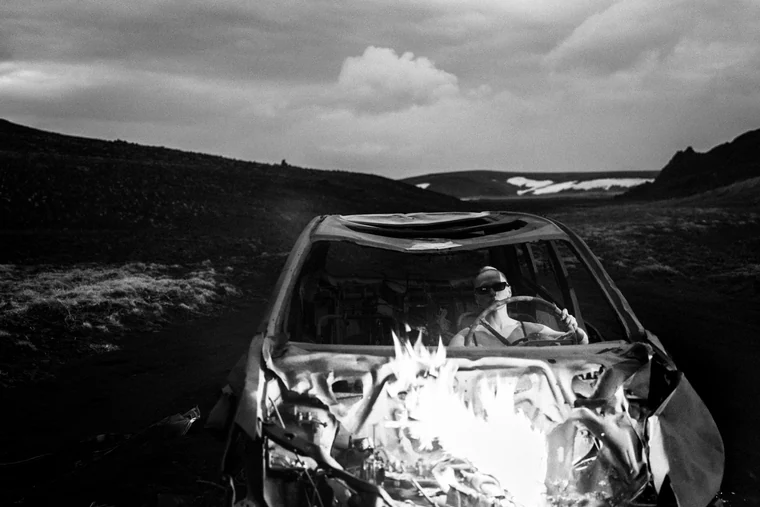
Work 08 · Iceland, 2026
137 × 100 cm framed · Edition of 10 + 2 AP
9 of 10 numbered prints available
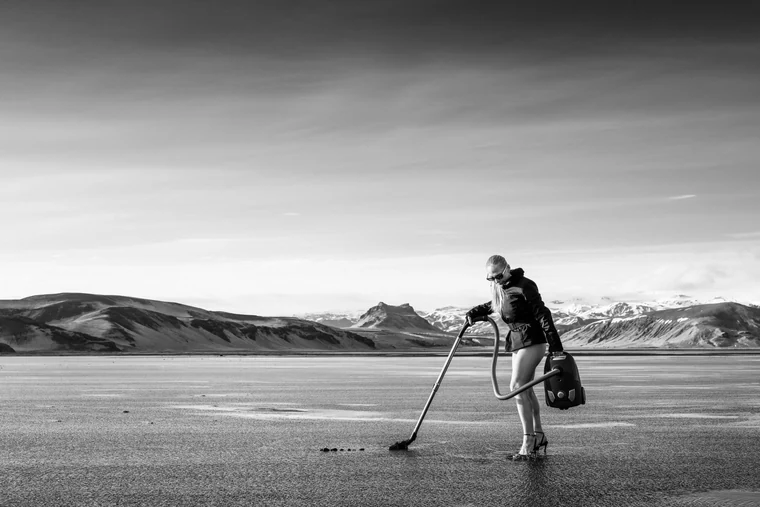
Work 09 · Iceland, 2026
137 × 100 cm framed · Edition of 10 + 2 AP
9 of 10 numbered prints available
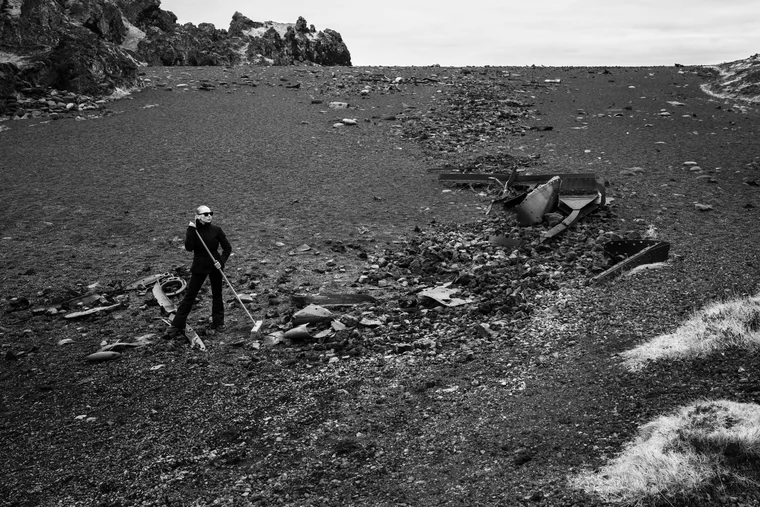
Work 10 · Iceland, 2026
137 × 100 cm framed · Edition of 10 + 2 AP
9 of 10 numbered prints available
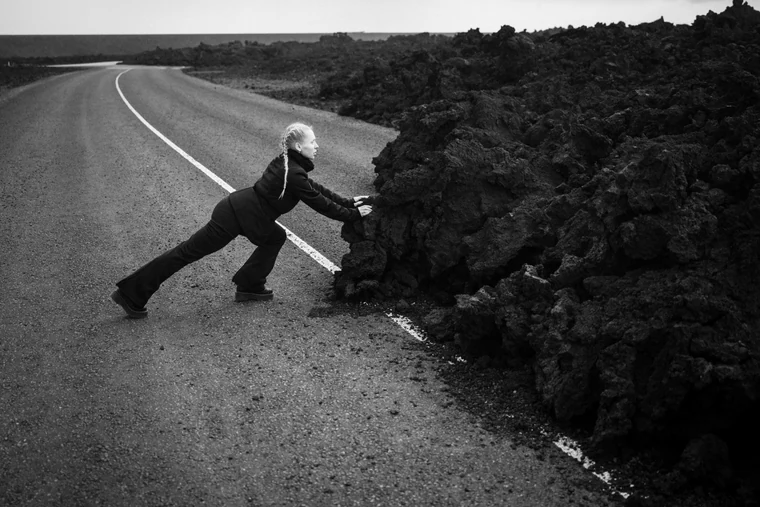
Work 11 · Iceland, 2026
137 × 100 cm framed · Edition of 10 + 2 AP
9 of 10 numbered prints available
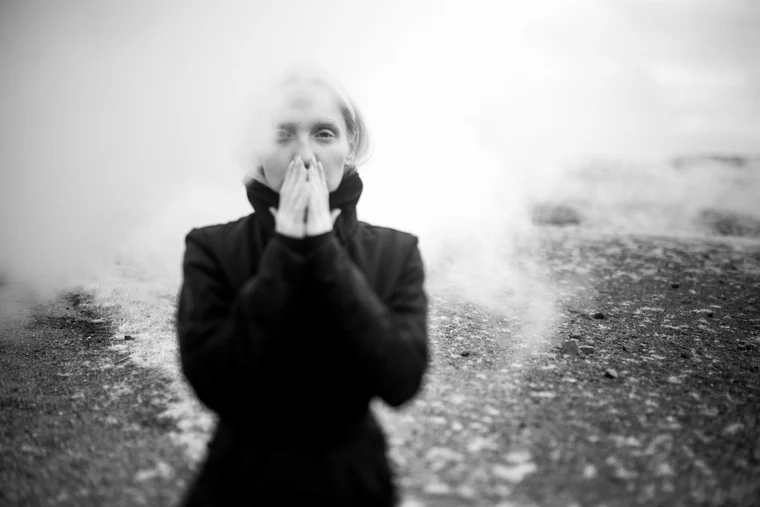
Work 12 · Iceland, 2026
137 × 100 cm framed · Edition of 10 + 2 AP
9 of 10 numbered prints available
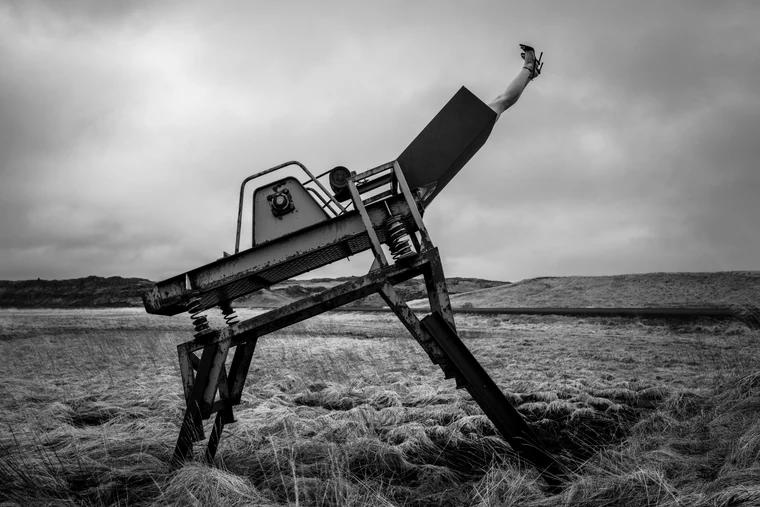
Work 13 · Iceland, 2026
137 × 100 cm framed · Edition of 10 + 2 AP
9 of 10 numbered prints available
Making / Authorship
The photographs were made in Iceland in 2026 through physical staging, without digital compositing. Wreckage, water, steam, fire and salvaged objects belong to the locations and actions photographed. The resulting world emerged through encounters with these materials, rather than from a complete script imposed on the landscape.
Albert Pocej works through the camera; Stasy Malyshenko is co-author and performer. She conceived and performed many of the gestures. The myth took shape through their shared work, discussions, rejected ideas and the limits imposed by the locations and their bodies.
The fifteenth work
The photographic cycle contains fourteen works. The accompanying book is conceived as a fifteenth: a literary work that carries what the finished photographs leave outside their frames.
Pocej's Iceland essays move from concrete incidents into questions of value, authorship and control. A discarded tractor wheel leads to the difference between a sign of status and a working principle. Drying fish becomes a way to think about what photography preserves and what it removes. A burning jacket makes the cost of light physical.
The manuscript is in development.
The works as objects
Works 01–13: archival pigment prints on Ilford Baryta archival paper. Framed size 137 × 100 cm, with a museum frame and TRU VUE Classic AR glass. Each work has an edition of 10 numbered prints and 2 artist’s proofs, with a certificate of authenticity.
00 / The Map of Remains: 87 × 57 cm, with 15 numbered prints created exclusively for the project’s sponsors, plus 2 artist’s proofs (AP).
Exhibitions · Project enquiries
Contact the studio about the photographs, the project or its presentation.
Enquire about The Engineress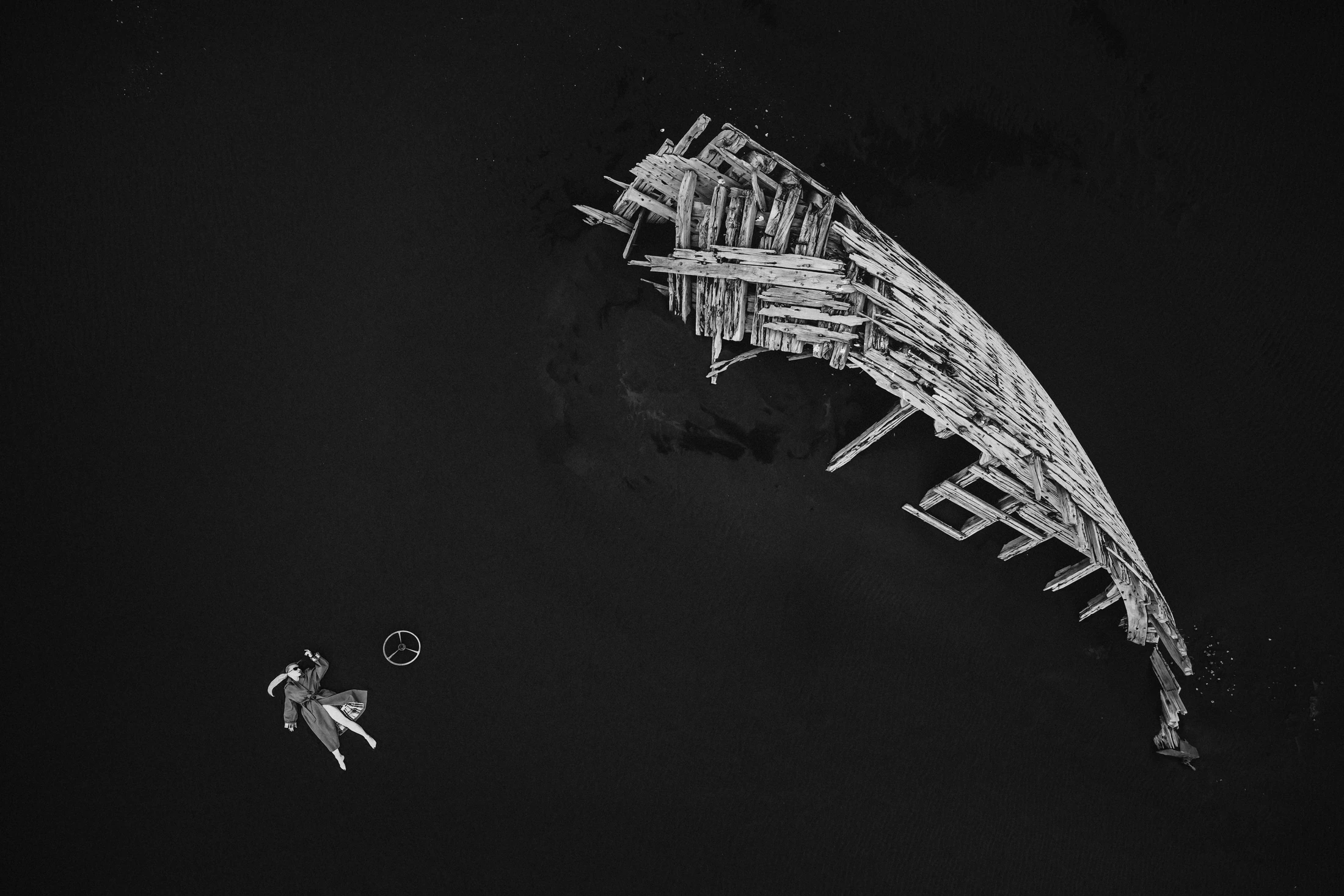
The Engineress
Albert Pocej & Stasy Malyshenko · Iceland, 2026
87 × 57 cm · Edition of 15 + 2 AP
0 of 15 numbered prints available · Sponsor edition
Inquire by emailOpens your email app with this work’s details.
15 numbered prints created exclusively for the project’s sponsors, plus 2 artist’s proofs (AP).
Delivery and any applicable taxes are confirmed in your quotation.
Full collecting informationThe Engineress
Albert Pocej & Stasy Malyshenko · Iceland, 2026
137 × 100 cm framed · Edition of 10 + 2 AP
9 of 10 numbered prints available
Inquire by emailOpens your email app with this work’s details.
Archival pigment print on Ilford Baryta archival paper. Museum frame with TRU VUE Classic AR glass. Includes a certificate of authenticity. Edition of 10 numbered prints and 2 artist’s proofs.
Delivery and any applicable taxes are confirmed in your quotation.
Full collecting information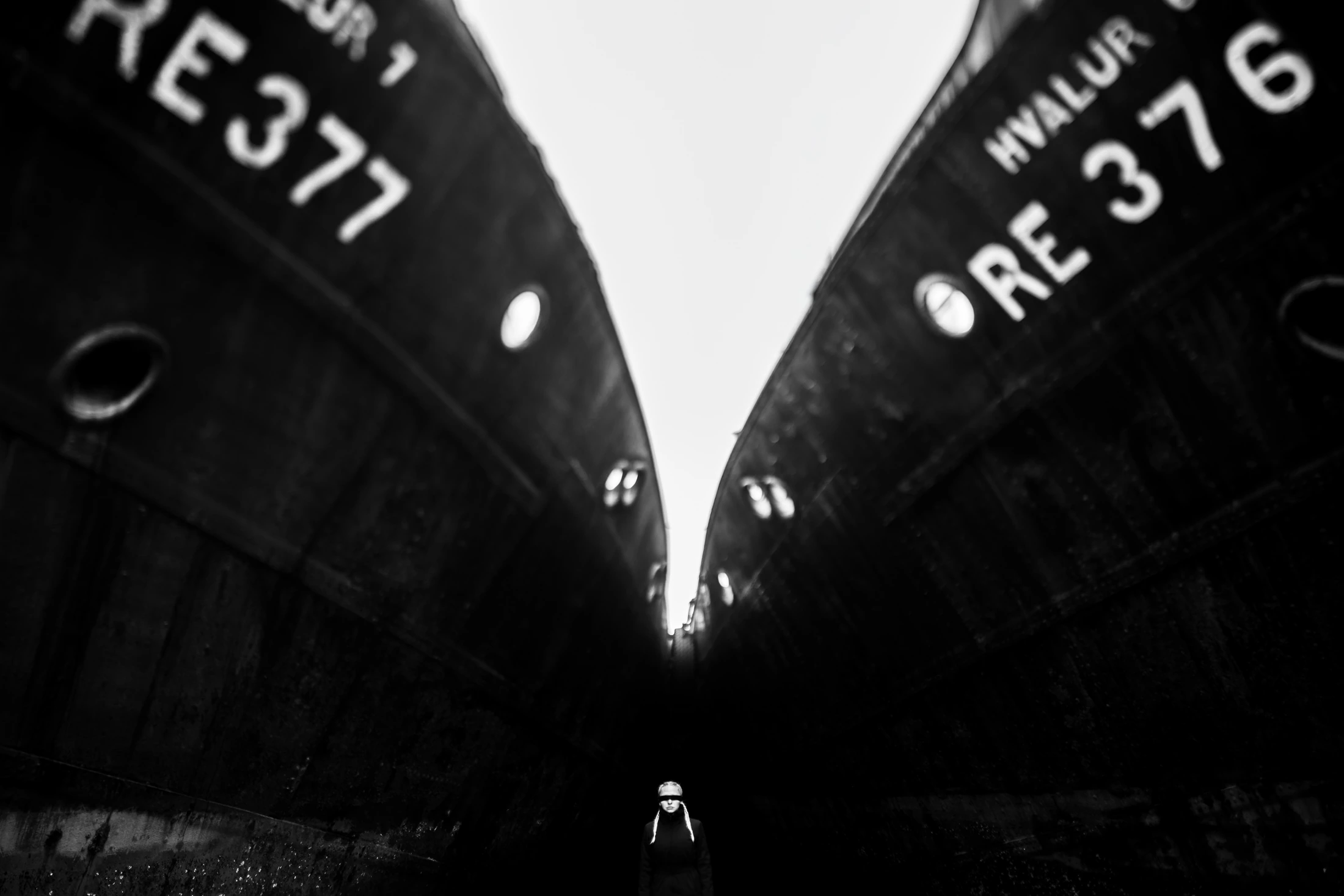
The Engineress
Albert Pocej & Stasy Malyshenko · Iceland, 2026
137 × 100 cm framed · Edition of 10 + 2 AP
9 of 10 numbered prints available
Inquire by emailOpens your email app with this work’s details.
Archival pigment print on Ilford Baryta archival paper. Museum frame with TRU VUE Classic AR glass. Includes a certificate of authenticity. Edition of 10 numbered prints and 2 artist’s proofs.
Delivery and any applicable taxes are confirmed in your quotation.
Full collecting information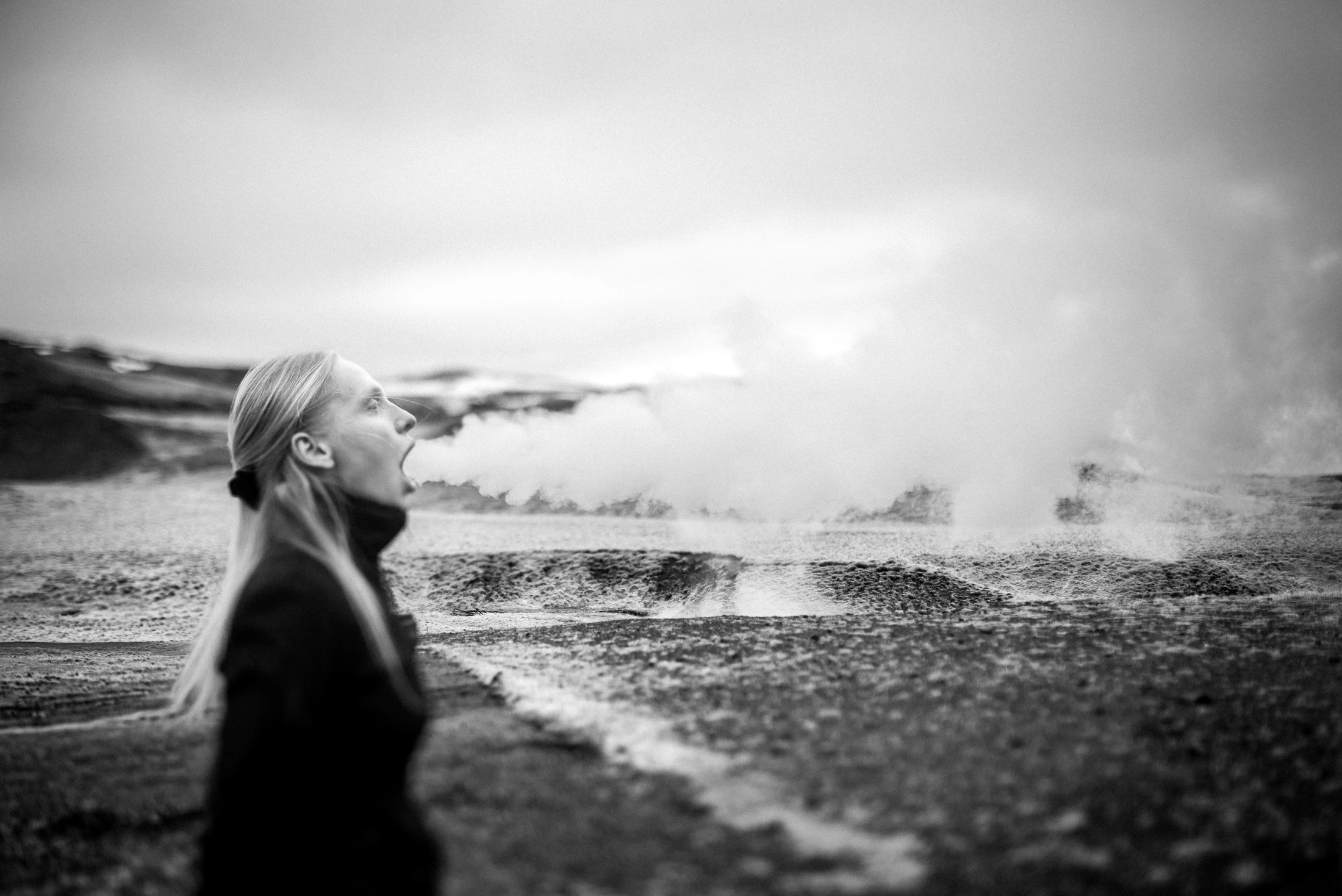
The Engineress
Albert Pocej & Stasy Malyshenko · Iceland, 2026
137 × 100 cm framed · Edition of 10 + 2 AP
9 of 10 numbered prints available
Inquire by emailOpens your email app with this work’s details.
Archival pigment print on Ilford Baryta archival paper. Museum frame with TRU VUE Classic AR glass. Includes a certificate of authenticity. Edition of 10 numbered prints and 2 artist’s proofs.
Delivery and any applicable taxes are confirmed in your quotation.
Full collecting information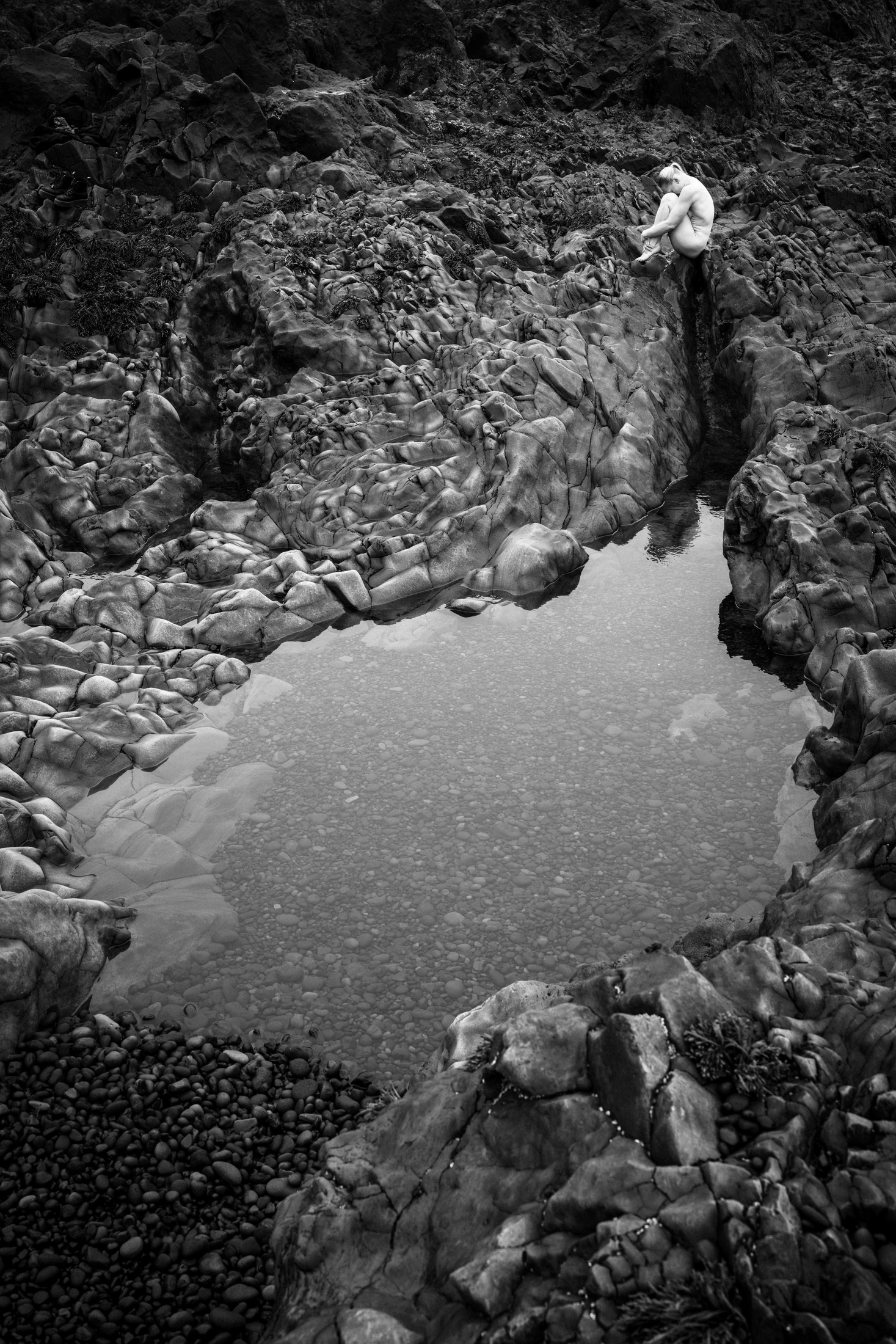
The Engineress
Albert Pocej & Stasy Malyshenko · Iceland, 2026
137 × 100 cm framed · Edition of 10 + 2 AP
9 of 10 numbered prints available
Inquire by emailOpens your email app with this work’s details.
Archival pigment print on Ilford Baryta archival paper. Museum frame with TRU VUE Classic AR glass. Includes a certificate of authenticity. Edition of 10 numbered prints and 2 artist’s proofs.
Delivery and any applicable taxes are confirmed in your quotation.
Full collecting information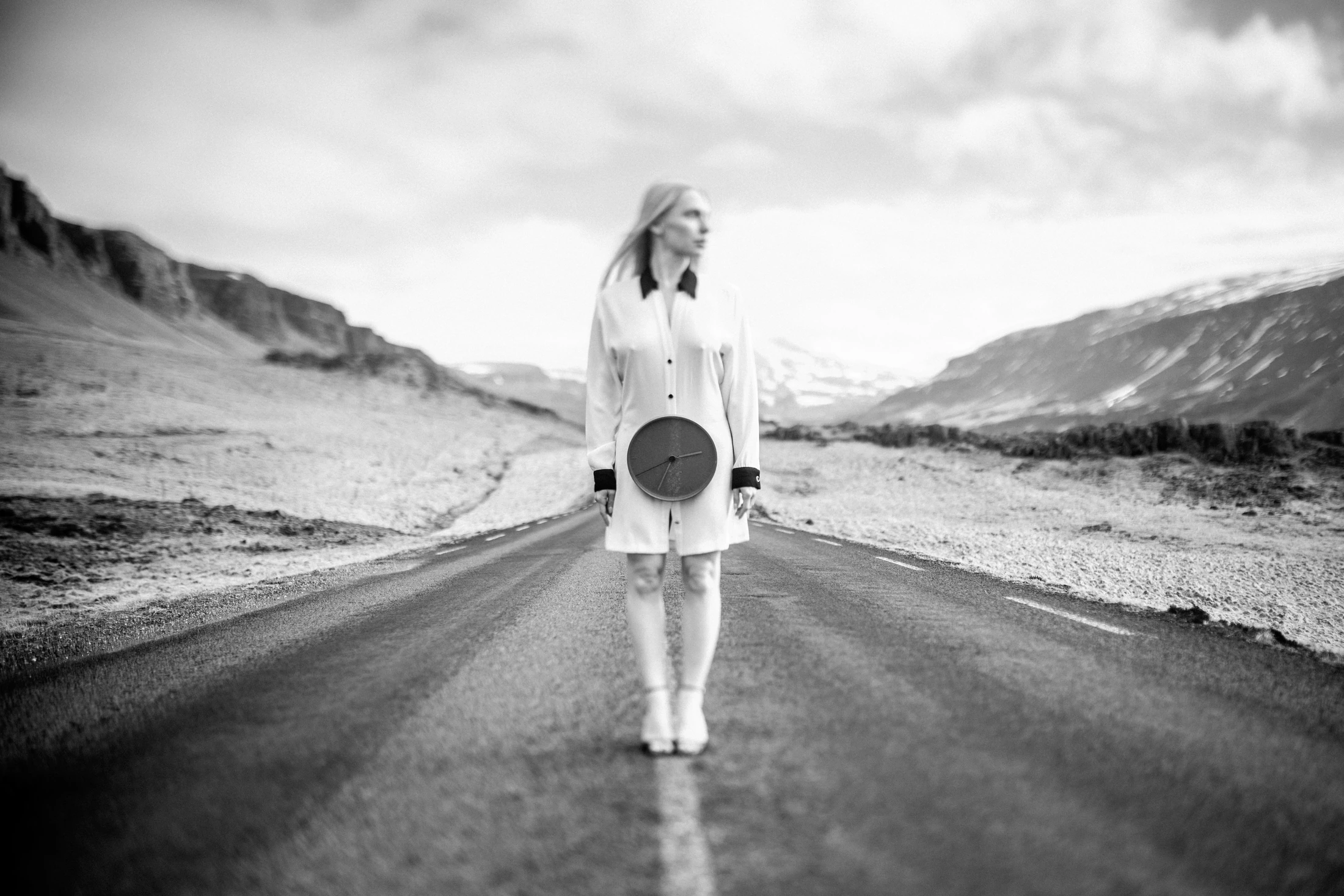
The Engineress
Albert Pocej & Stasy Malyshenko · Iceland, 2026
137 × 100 cm framed · Edition of 10 + 2 AP
9 of 10 numbered prints available
Inquire by emailOpens your email app with this work’s details.
Archival pigment print on Ilford Baryta archival paper. Museum frame with TRU VUE Classic AR glass. Includes a certificate of authenticity. Edition of 10 numbered prints and 2 artist’s proofs.
Delivery and any applicable taxes are confirmed in your quotation.
Full collecting information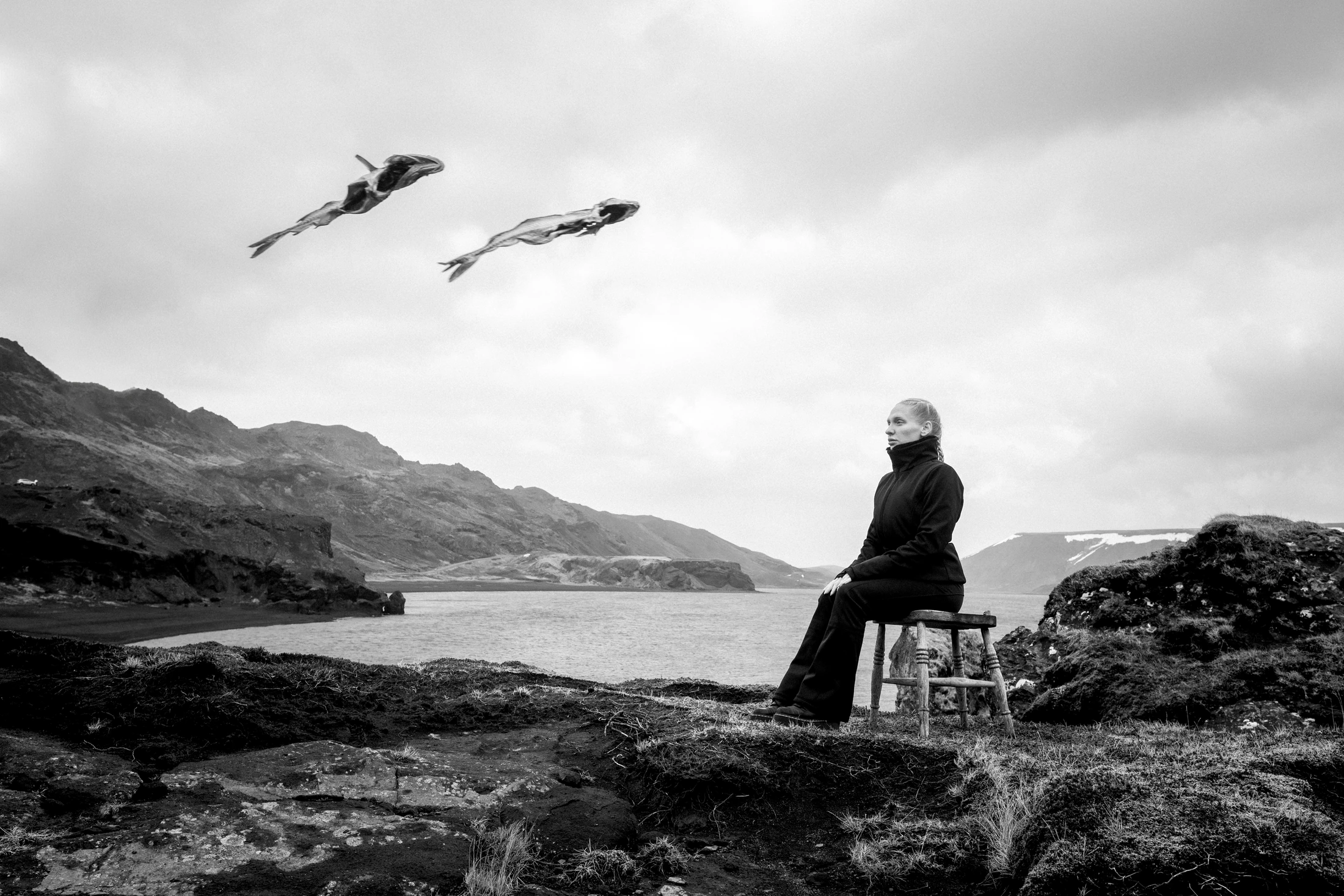
The Engineress
Albert Pocej & Stasy Malyshenko · Iceland, 2026
137 × 100 cm framed · Edition of 10 + 2 AP
9 of 10 numbered prints available
Inquire by emailOpens your email app with this work’s details.
Archival pigment print on Ilford Baryta archival paper. Museum frame with TRU VUE Classic AR glass. Includes a certificate of authenticity. Edition of 10 numbered prints and 2 artist’s proofs.
Delivery and any applicable taxes are confirmed in your quotation.
Full collecting information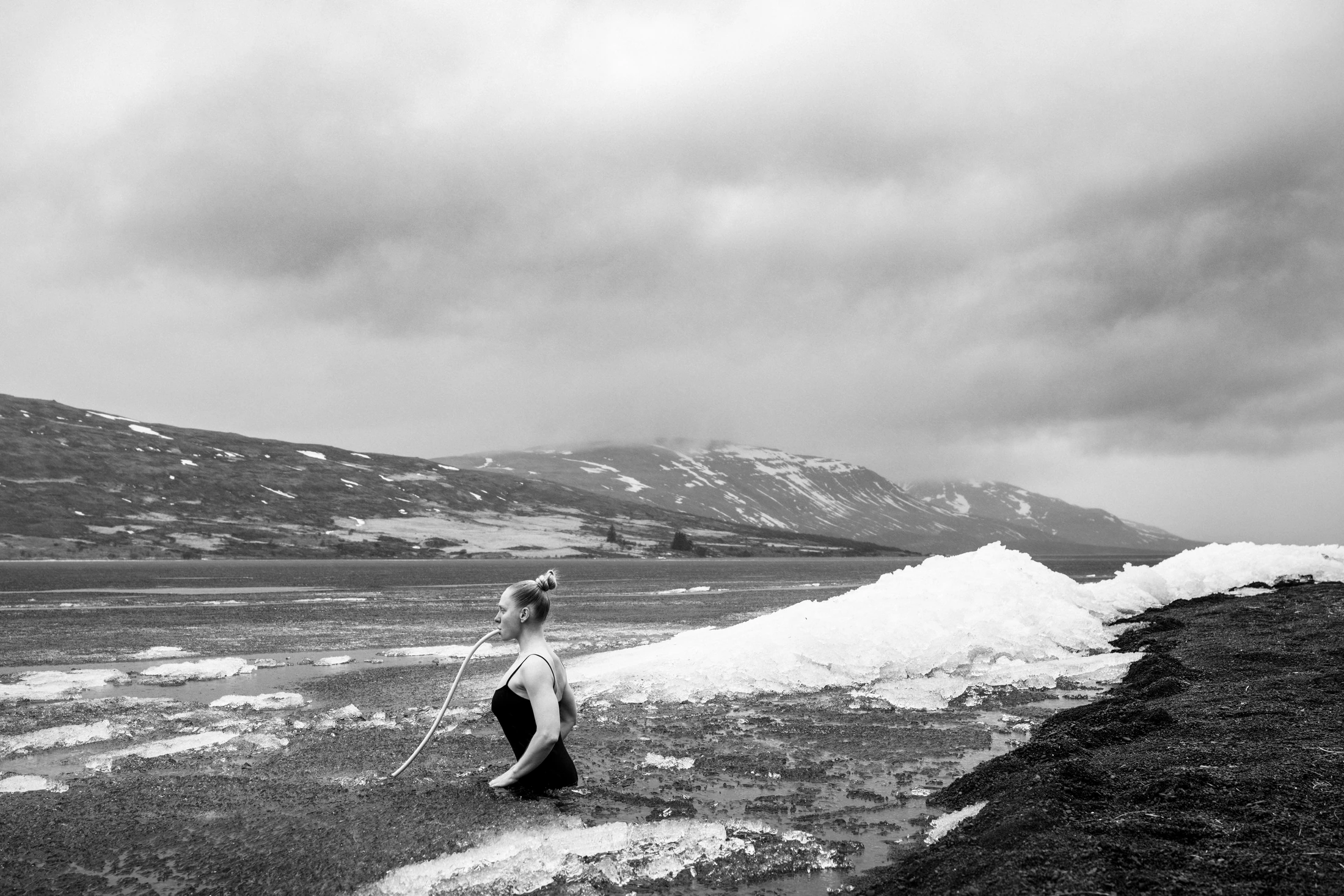
The Engineress
Albert Pocej & Stasy Malyshenko · Iceland, 2026
137 × 100 cm framed · Edition of 10 + 2 AP
9 of 10 numbered prints available
Inquire by emailOpens your email app with this work’s details.
Archival pigment print on Ilford Baryta archival paper. Museum frame with TRU VUE Classic AR glass. Includes a certificate of authenticity. Edition of 10 numbered prints and 2 artist’s proofs.
Delivery and any applicable taxes are confirmed in your quotation.
Full collecting information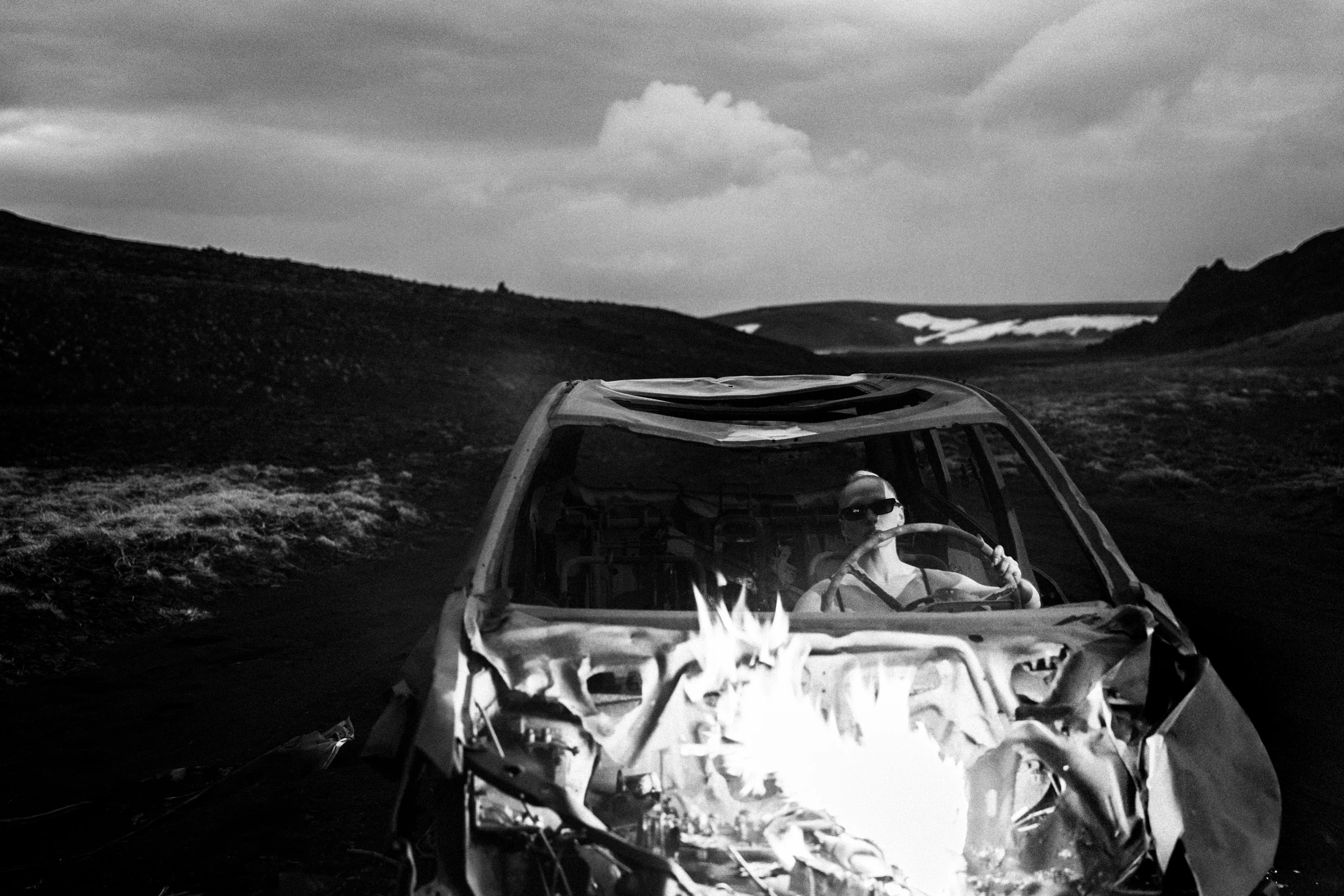
The Engineress
Albert Pocej & Stasy Malyshenko · Iceland, 2026
137 × 100 cm framed · Edition of 10 + 2 AP
9 of 10 numbered prints available
Inquire by emailOpens your email app with this work’s details.
Archival pigment print on Ilford Baryta archival paper. Museum frame with TRU VUE Classic AR glass. Includes a certificate of authenticity. Edition of 10 numbered prints and 2 artist’s proofs.
Delivery and any applicable taxes are confirmed in your quotation.
Full collecting information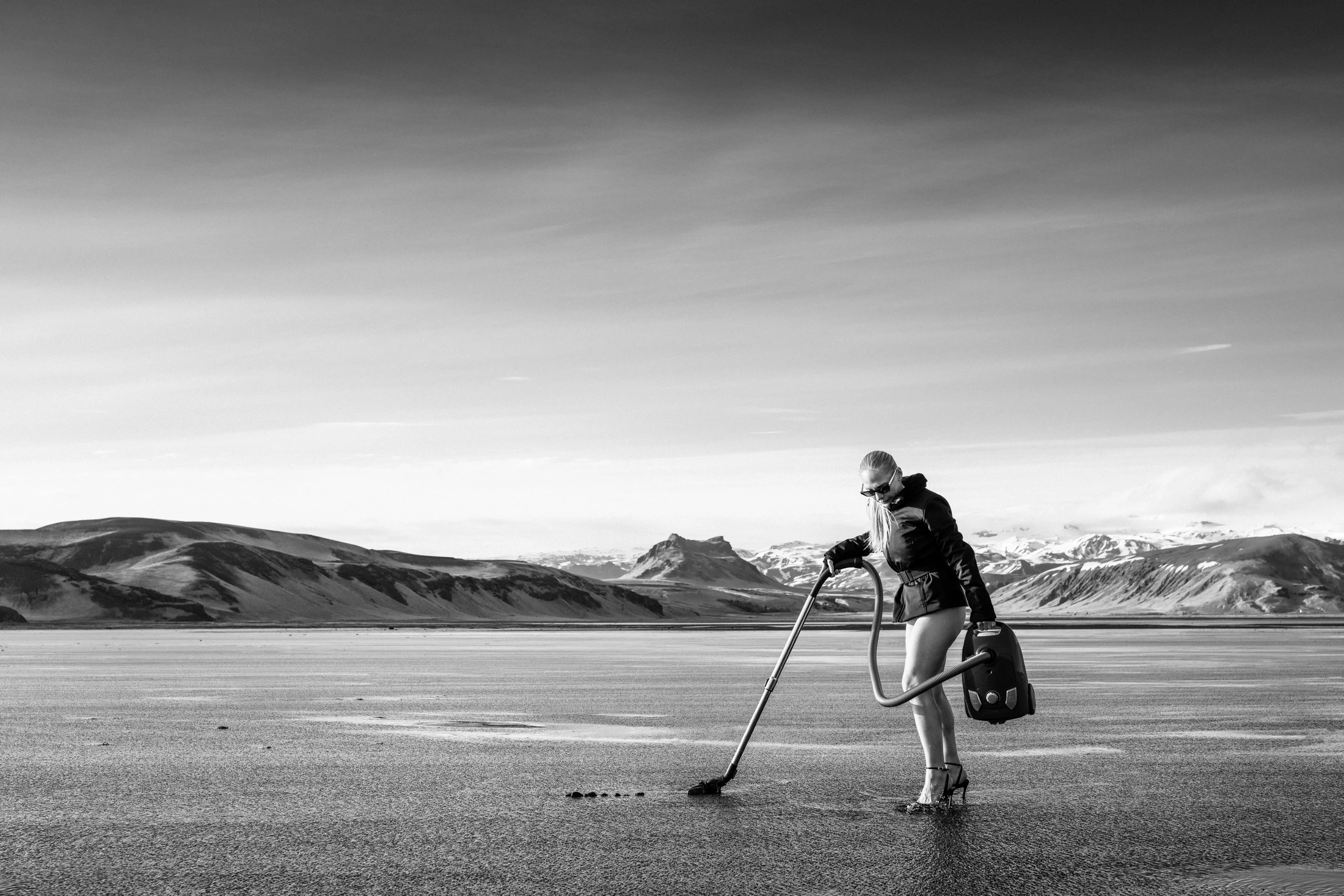
The Engineress
Albert Pocej & Stasy Malyshenko · Iceland, 2026
137 × 100 cm framed · Edition of 10 + 2 AP
9 of 10 numbered prints available
Inquire by emailOpens your email app with this work’s details.
Archival pigment print on Ilford Baryta archival paper. Museum frame with TRU VUE Classic AR glass. Includes a certificate of authenticity. Edition of 10 numbered prints and 2 artist’s proofs.
Delivery and any applicable taxes are confirmed in your quotation.
Full collecting information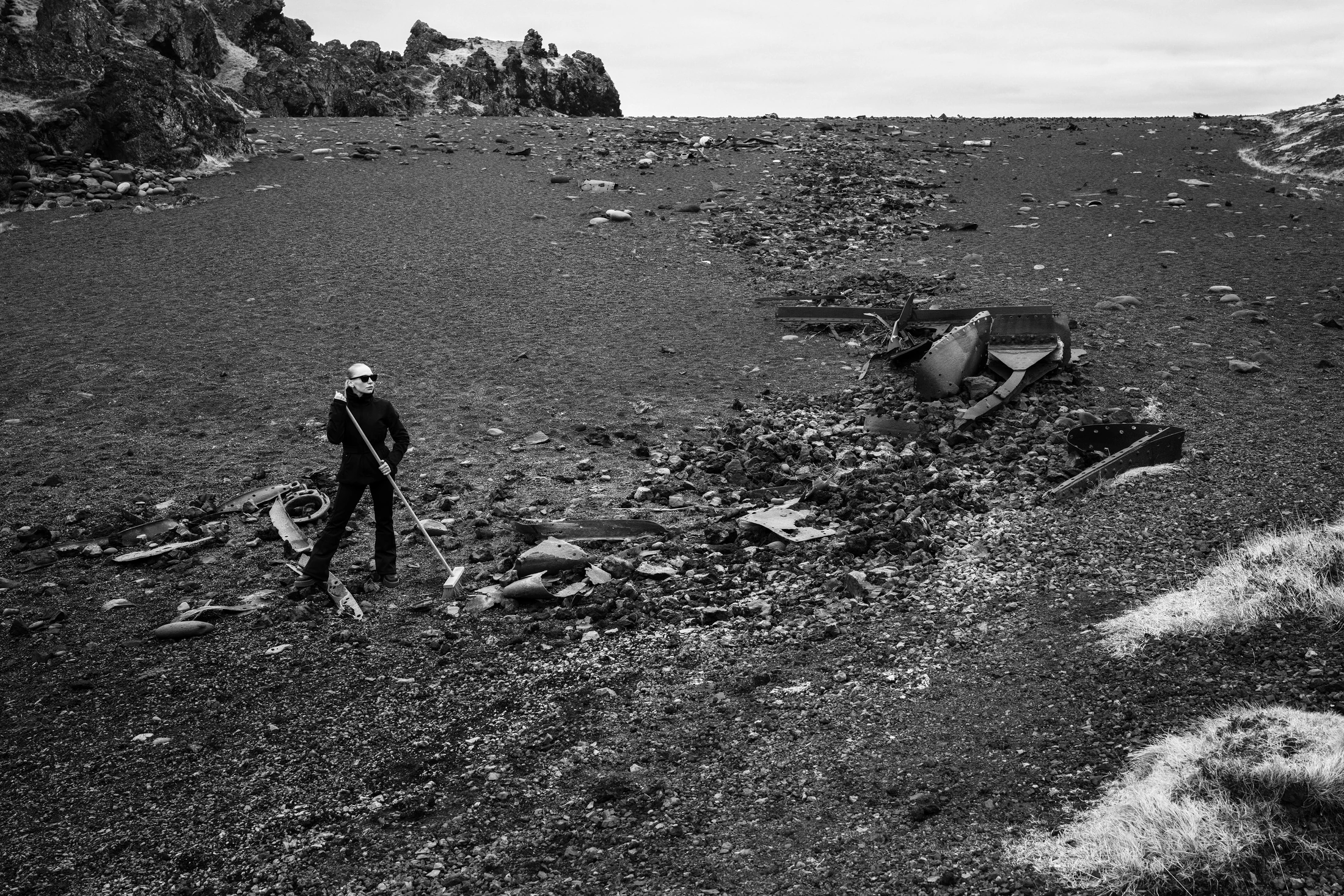
The Engineress
Albert Pocej & Stasy Malyshenko · Iceland, 2026
137 × 100 cm framed · Edition of 10 + 2 AP
9 of 10 numbered prints available
Inquire by emailOpens your email app with this work’s details.
Archival pigment print on Ilford Baryta archival paper. Museum frame with TRU VUE Classic AR glass. Includes a certificate of authenticity. Edition of 10 numbered prints and 2 artist’s proofs.
Delivery and any applicable taxes are confirmed in your quotation.
Full collecting information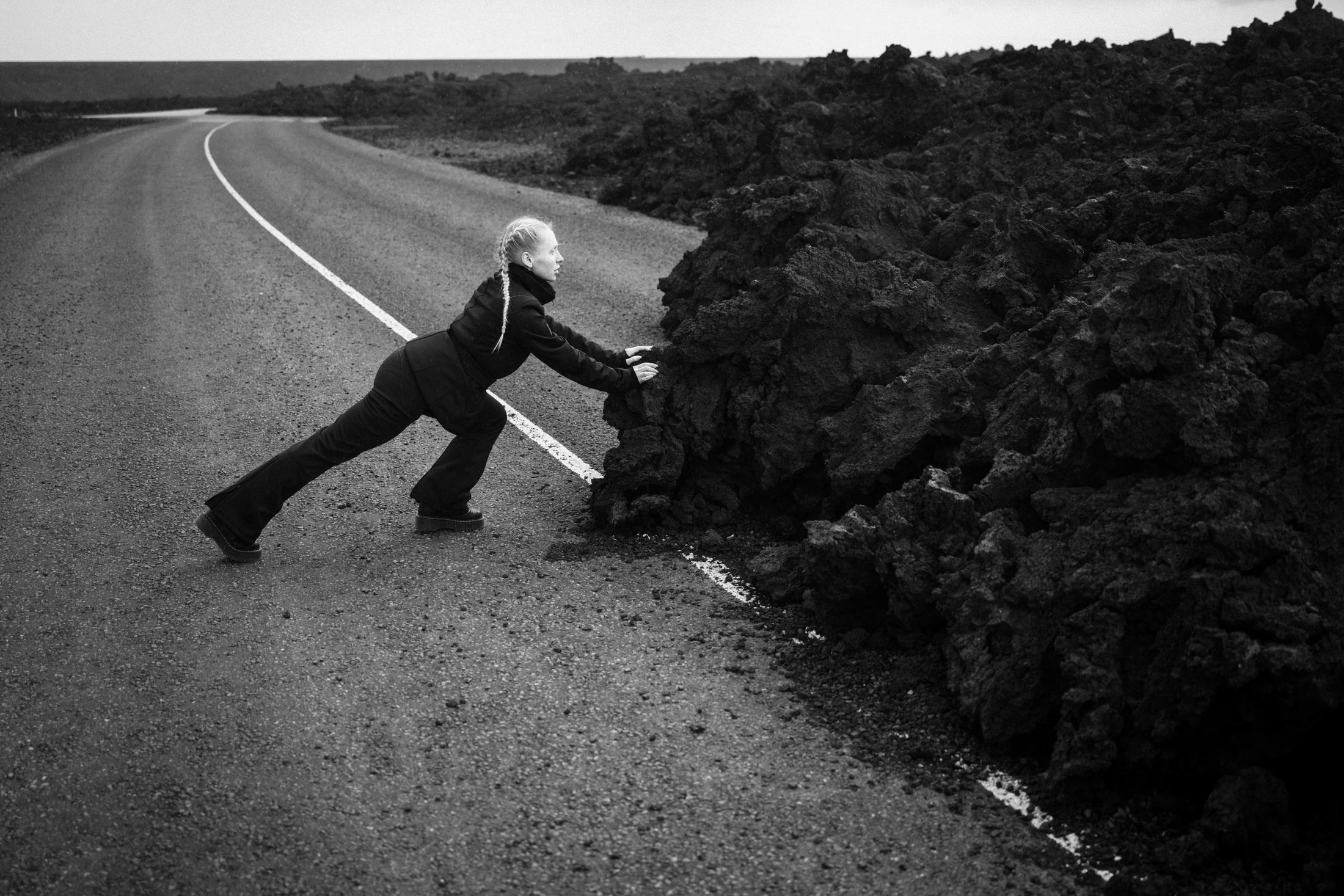
The Engineress
Albert Pocej & Stasy Malyshenko · Iceland, 2026
137 × 100 cm framed · Edition of 10 + 2 AP
9 of 10 numbered prints available
Inquire by emailOpens your email app with this work’s details.
Archival pigment print on Ilford Baryta archival paper. Museum frame with TRU VUE Classic AR glass. Includes a certificate of authenticity. Edition of 10 numbered prints and 2 artist’s proofs.
Delivery and any applicable taxes are confirmed in your quotation.
Full collecting information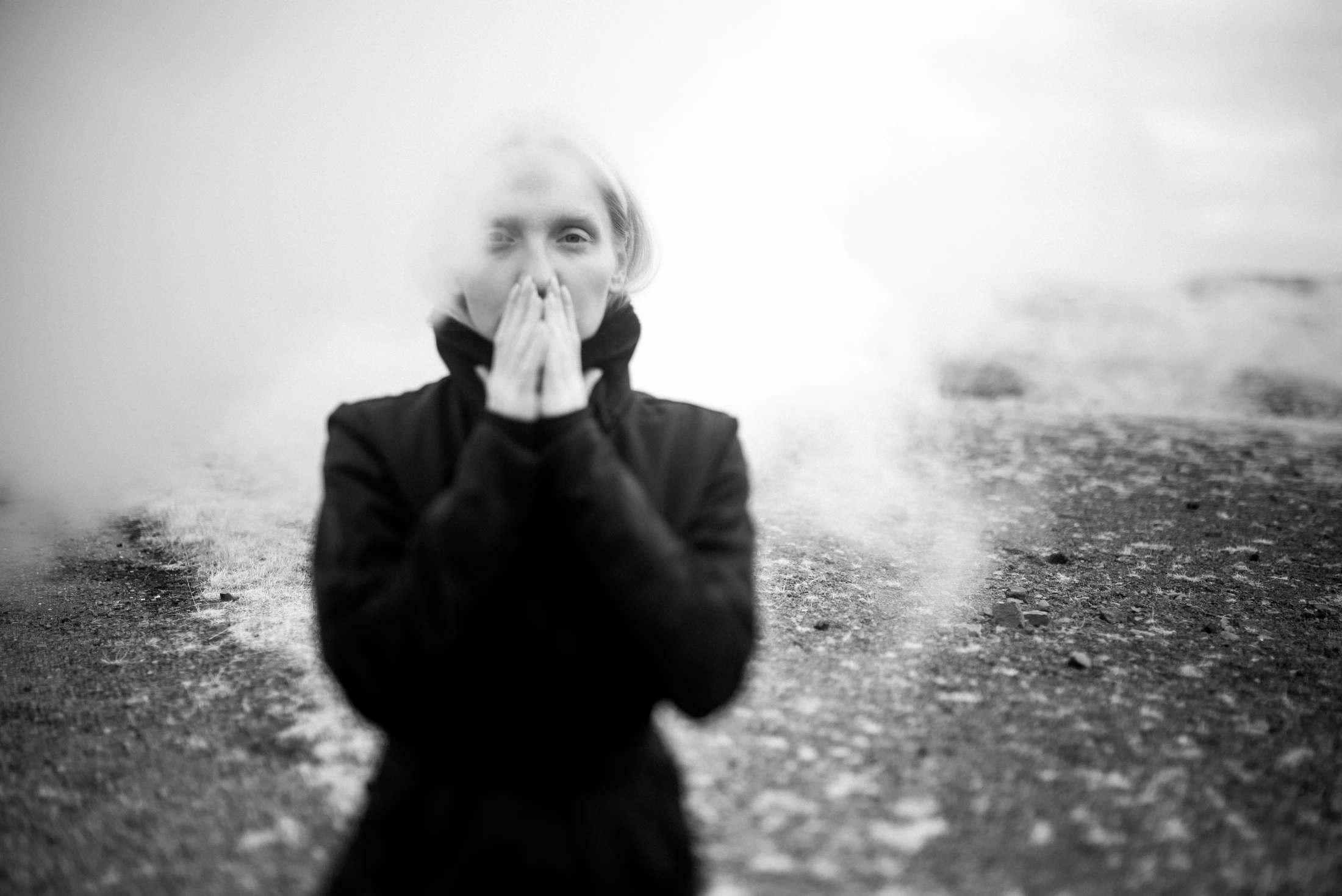
The Engineress
Albert Pocej & Stasy Malyshenko · Iceland, 2026
137 × 100 cm framed · Edition of 10 + 2 AP
9 of 10 numbered prints available
Inquire by emailOpens your email app with this work’s details.
Archival pigment print on Ilford Baryta archival paper. Museum frame with TRU VUE Classic AR glass. Includes a certificate of authenticity. Edition of 10 numbered prints and 2 artist’s proofs.
Delivery and any applicable taxes are confirmed in your quotation.
Full collecting information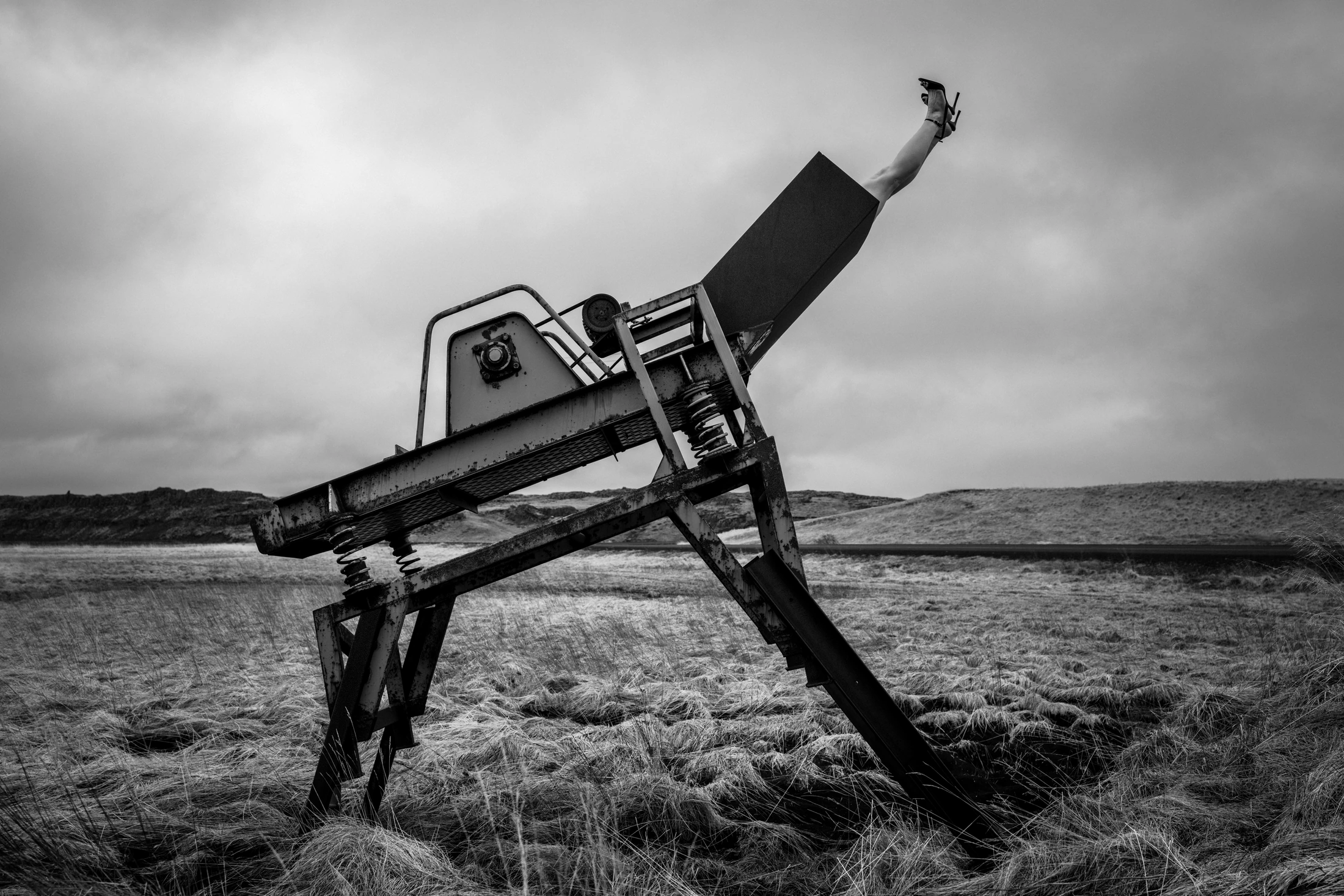
The Engineress
Albert Pocej & Stasy Malyshenko · Iceland, 2026
137 × 100 cm framed · Edition of 10 + 2 AP
9 of 10 numbered prints available
Inquire by emailOpens your email app with this work’s details.
Archival pigment print on Ilford Baryta archival paper. Museum frame with TRU VUE Classic AR glass. Includes a certificate of authenticity. Edition of 10 numbered prints and 2 artist’s proofs.
Delivery and any applicable taxes are confirmed in your quotation.
Full collecting information